Mud, Sweat and Fog: A Club-Side Guide to Adaptive Eyewear in Grassroots Sport
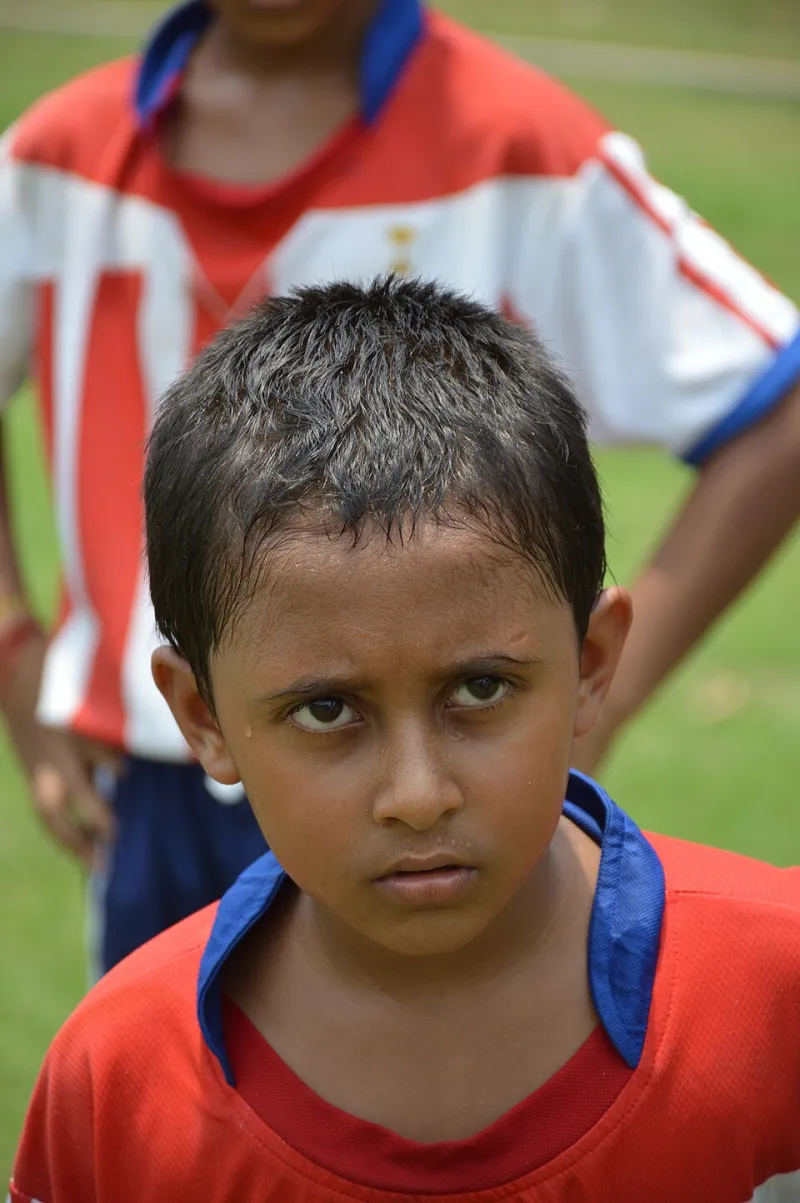
Photo: Biswarup Ganguly, CC BY 3.0, via Wikimedia Commons
Grassroots sport in the UK runs on volunteers, borrowed pitches, early starts and a collective willingness to ignore the weather. For players who rely on adaptive eyewear, that same culture can be unexpectedly exclusionary. A coach may suggest contact lenses as the obvious answer; a club secretary may assume glasses are simply not allowed; a teammate may offer a spare cap but not a spare microfibre cloth. None of this is usually malicious, but it all adds up.
This field guide is for players, parents, coaches and club officials who want adaptive eyewear to be part of the kit list rather than an afterthought. It is not clinical advice, and anyone with concerns about eye health or sports participation should speak to their optometrist or GP. What follows are practical steps for keeping sport accessible without assuming that everyone can switch to contact lenses.
Start with a kit audit, not a diagnosis
Before the first training session, look at what the player actually wears and how it performs in motion. A pair that works for reading or office work may not survive a muddy Sunday league match. A simple audit can prevent most problems:
- Check retention. Do the frames stay in place when the wearer turns their head, bends down or runs? A sports strap or silicone temple grips may help.
- Pack a spare cloth and a small anti-fog cloth in a hard case. Keep them in the kit bag, not at home.
- Label the case. Club changing rooms are chaotic, and lost eyewear is an accessibility problem, not a minor inconvenience.
- Ask about lens type and coatings. Photochromic lenses can help with changing light, but they are not a substitute for impact protection.
- Carry a backup pair where possible, especially for away fixtures.
Football and rugby: impact, mud and the drop
Football and rugby are the sports most likely to produce a well-meaning but unhelpful blanket rule. In football, heading the ball, close contact and a hard pitch surface all raise questions about frame stability and impact. Sports goggles with impact-rated lenses and a secure strap are a common solution, but the fit matters as much as the specification. A loose frame that shifts during play is not protective in any meaningful sense.
Rugby adds another layer. Head contact, tackling and the laws of the game mean any eyewear should be checked against competition regulations and governing-body guidance before use. A club should not simply say yes or no at the touchline; it should know where to look and who to ask. The same applies to junior rugby, where safeguarding and equipment rules may be stricter.
Mud and sweat are the practical enemies. Sweat running into the eyes is uncomfortable for anyone, but for an adaptive eyewear wearer it can also mean stopping to clean lenses mid-match. A headband, a well-fitted strap and a small cloth kept pitch-side can make the difference between playing on and sitting out. Coaches should avoid telling players to wipe lenses with a shirt; that is a quick route to scratches and smears.
Cycling and running: wind, glare and the long ride home
Cycling clubs and parkrun events have become more inclusive in recent years, but adaptive eyewear still needs practical thought. On the bike, wind and road spray can make lenses difficult to see through, while low sun at this time of year can turn a familiar route into a glare trap. A wraparound shape or a close-fitting sports frame may reduce wind exposure, but the wearer should test it on a short ride before committing to a long club run.
For runners, the main issues are bounce, sweat and changing light. A frame that slips on every stride will not be worn for long. Retention straps, adjustable nose pieces and lightweight materials all help. A cap with a brim can cut low winter sun without interfering with the frames, and a small anti-fog cloth in a pocket is more useful than a pre-run promise to 'just be careful'.
Glare from floodlights is a particular UK problem. A Tuesday evening training session under floodlights can produce strong points of light and deep shadows. Photochromic lenses may help with the transition from dusk to dark, but they do not solve every glare problem. Players should be encouraged to test their eyewear at the time of day they actually play, not only in daylight.
Swimming: the lane is not a no-go zone
Swimming is often treated as the sport where glasses simply cannot go. That is not true. Prescription swimming goggles exist, and some adaptive eyewear wearers use pool-safe alternatives. The key questions are fit, seal and chlorine resistance. A pair that leaks or fogs within ten lengths is not helping anyone.
Clubs should not assume that a swimmer can remove their eyewear for the whole session. A coach can ask what the swimmer needs, whether goggles are suitable for their correction, and whether a spare pair should be kept in the bag. Anti-fog treatments for swimming goggles need to be used according to the manufacturer's instructions; household remedies can damage lenses and seals.
Floodlights and low winter sun: managing glare
British winter light is not a minor aesthetic issue. The sun sits low for much of the day, and a clear afternoon can become a blinding one by kick-off. Floodlit 3G pitches add their own glare, especially when the surface is wet. Practical measures include:
- A cap or visor for outdoor sports, provided it does not interfere with the eyewear.
- Photochromic or tinted lenses where appropriate, tested in the conditions the player actually faces.
- Avoiding the temptation to stare into the light source when lining up a shot or a run.
- Choosing positions or routes that reduce direct glare where the sport allows it.
What clubs and coaches can do
Inclusion at grassroots level is rarely about expensive equipment. It is usually about asking better questions. A club can add eyewear to its kit checklist, keep spare cloths and cases in the first-aid bag, and brief coaches not to assume that contact lenses are an option. A player who is told to 'just take them off' may not come back next week.
Coaches should also know who to contact if a player needs adjustments. That might be a club welfare officer, a parent, or the player themselves. The guiding principle is simple: ask what the player needs, then work with them to make it practical. A blanket ban on glasses is not a risk assessment; it is an exclusion.
A simple matchday checklist
- Secure retention strap or fitted frames
- Hard case and labelled cloth
- Anti-fog cloth for humid or cold conditions
- Backup pair or backup plan
- Cap or visor for low sun
- Checked competition rules for impact sports
- Coach or club official aware of the player's needs
Grassroots sport is at its best when it makes room for people as they are. Adaptive eyewear should be part of that welcome, not a reason to stand on the sidelines.