The Threshold Test: Why the Optical Waiting Room Belongs in the Accessibility Plan
The first clinical signal
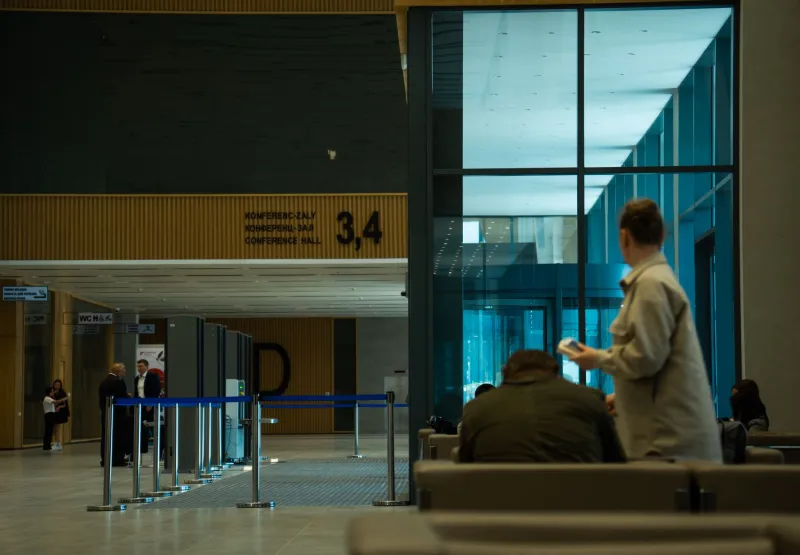
UK optical practices have become considerably better at discussing adaptive eyewear in the consulting room. Yet the space between the front door and the chair is still treated, too often, as a neutral holding area. For people who rely on adaptive eyewear, it is anything but neutral. It is the first signal of whether a practice has thought about how vision support works in real life.
A waiting room can undermine a good clinical appointment before it begins. Glare from a low sun or an unshielded downlight can make a display unreadable. A radio competing with a reception conversation can make instructions harder to follow. A cramped seating plan can leave a wearer balancing a case, a bag and a charging cable with no stable surface nearby. None of these problems is exotic. All of them are design choices, and all of them can be reviewed.
In 2026, the conversation about adaptive eyewear is rightly moving beyond product specification and into service design. The threshold test is simple: can a wearer arrive, orient themselves, wait and communicate with dignity and without unnecessary effort?
Light, glare and visual clutter
Lighting is the most common invisible barrier in optical practice waiting areas. Practices need good light for reading forms and navigating steps, but brightness alone is not the answer. Bare downlights aimed at seated patients can produce disabling glare. Highly reflective signage, glossy leaflets and glass partitions can turn a small reception area into a hall of mirrors. For wearers of photochromic, tinted or electronically adaptive lenses, abrupt changes in light level can also be disorienting.
The practical response is layered lighting: adjustable or dimmable general light, softer task lighting near forms or reading materials, and careful placement so that light sources are not directly in a seated person's line of sight. Contrast matters too. Signage should use clear, high-contrast lettering and plain language, with symbols where helpful. Leaflets displayed at eye level are more useful than a low rack that requires bending and squinting.
Seating, space and wayfinding
A waiting area should offer more than the maximum number of chairs. It should offer choices. Some wearers need a seat with arms; others need space beside them for a companion, a guide dog or a walking aid. Some need to sit close to the reception desk or the consulting room door; others need to be away from a busy corridor. A clear route through the seating, with no trailing cables or low tables, benefits everyone.
Wayfinding deserves the same attention. If a practice uses a numbered calling system, the display should be visible from all seating and paired with an audible announcement where appropriate. If patients are collected by name, staff should approach visibly and speak clearly rather than calling from behind a screen. A simple, stable tray or shelf for cases and eyewear is a small but useful addition, particularly where wearers need to remove adaptive eyewear for tests or cleaning.
Sound, speech and appointment contact
Noise is an accessibility issue that is often overlooked in optical settings. Hard surfaces, background music, ringing phones and open-plan reception desks can combine to make speech less intelligible. This matters for wearers who use hearing aids alongside adaptive eyewear, and for anyone who finds noisy environments fatiguing. Where possible, practices should soften hard surfaces, lower or remove background radio, and offer a quieter corner for patients who need it.
Appointment communication begins before the visit. A clear letter, email or text message should explain what will happen, how long it may take and what the patient should bring. Practices should ask, in advance, whether the patient has any communication preferences or access needs. That question is not an invitation to disclose a diagnosis. It is a practical request that helps the practice prepare.
A practical checklist for UK practices
- Entrance and threshold: check step edges, door width, handrails and mat contrast. Ensure the route to reception is unobstructed.
- Lighting: reduce glare from downlights and windows; provide adjustable light levels and task lighting for forms.
- Signage: use large, high-contrast text, plain English and symbols. Position signs at a readable height.
- Seating: offer a mix of seat heights and arms; leave space for companions and assistance dogs; keep routes clear.
- Noise: lower background music, separate quiet seating where possible and avoid unnecessary loudspeaker announcements.
- Communication: ask about preferred contact formats; offer written instructions; allow extra time at reception.
- Appointment flexibility: where possible, offer quieter appointment slots or early and late appointments for patients who find busy periods difficult.
- Staff confidence: train reception teams to ask what helps rather than what is wrong. A calm, specific question is usually enough.
These measures sit comfortably alongside the duties that UK service providers have under the Equality Act 2010 to make reasonable adjustments. They also reflect the spirit of the NHS Accessible Information Standard where NHS services are provided. The aim is not to create a specialist clinic in every high street. It is to remove avoidable friction from an ordinary visit.
How patients can ask without over-apologising
Many adaptive eyewear wearers have learned to tolerate poor environments rather than risk seeming demanding. That habit is understandable, but it places the burden in the wrong place. Requesting an adjustment is not a complaint about the practice. It is information that helps the practice deliver a safer, more effective service.
A short message before the appointment can be enough. For example: I use adaptive eyewear and find glare and background noise difficult. Could I be seated away from the window and called visibly rather than by loudspeaker? Could you confirm the appointment by email rather than phone? If a practice asks for more detail, describe the practical effect rather than a medical history: I need to see the reception desk clearly, or I need time to adjust my lenses when I come in from bright daylight.
Patients can also ask for a quiet slot, a written summary of instructions, or permission to bring a companion. If the first request is not met, it is reasonable to ask whom to contact about accessibility. A polite follow-up in writing creates a record and gives the practice a chance to respond.
The consulting room is not the whole appointment
The clinical relationship begins at the threshold. A practice that considers lighting, seating, signage, noise and communication is not adding luxury; it is designing for the range of people who already use its services. For adaptive eyewear wearers, those details can make the difference between an appointment that feels effortful and one that feels straightforward. The waiting room is part of the prescription because it shapes whether the patient arrives at the consulting room ready to see and be seen.