Rehearsed, Not Rushed: A Fire Drill for Adaptive Eyewear Wearers
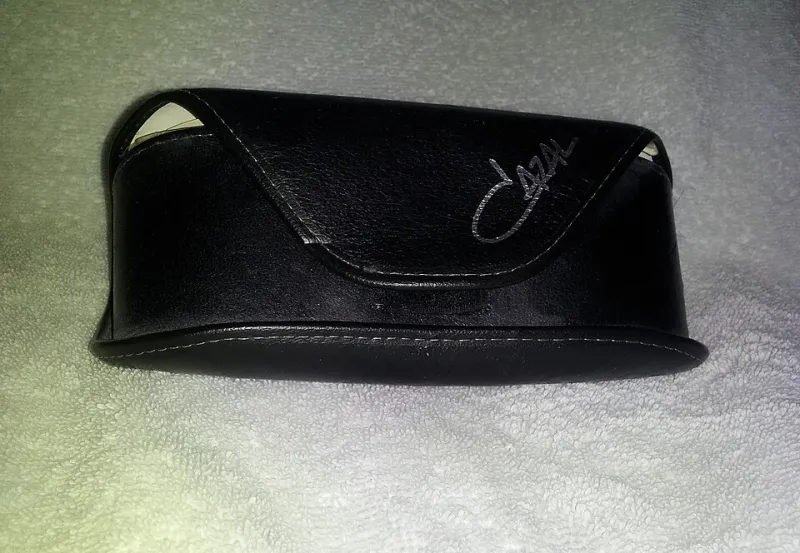
Photo: Usherbaird, CC BY-SA 4.0, via Wikimedia Commons
Fire safety advice rarely makes allowances for the fact that some people need their glasses to find the door. For wearers of adaptive eyewear—powered, magnifying or otherwise specialised—the usual “get out, stay out” message is right, but the details need adjusting. The aim is not to turn a home into a bunker. It is to make sure that a familiar routine, a spare pair and a clear route are already in place before an alarm ever sounds.
Start with the escape route, not the equipment
Before deciding where to keep a spare pair, walk the route you would actually use at night. Identify the door, the stairs, the communal corridor and the assembly point. Note where vision equipment is needed: to read a door number, to use a key safe, to negotiate a step. Fire and rescue services recommend keeping exits clear; that includes not charging eyewear in a hallway or leaving cases on the bottom step. A pair left on a windowsill in the spare room is not part of an evacuation plan.
Give the bedside a fixed rule
The most useful fire-safety measure for many wearers is boring consistency. One pair belongs in one place beside the bed, every night. Not under the pillow, not on the charger across the room, not in a handbag downstairs. A shallow drawer, a hook or a labelled case works, provided it can be reached without standing up. If the wearer needs eyewear to see a smoke alarm or to put on a sling, that pair must be within arm’s reach. A second, older pair can live in a readiness pouch beside it.
Build a pouch, not a panic bag
A small pouch by the bed or by the main exit should hold the items that make leaving easier: a spare pair in a labelled case, a cleaning cloth and any essential accessory that cannot be improvised. For powered eyewear, include spare batteries if the model uses them, or a short charging cable only if it can be picked up without delay. Add a small torch if the route has a dark communal stair. The pouch should be light enough to carry in one hand and obvious enough to find by touch. Check it quarterly and after every prescription change. The point is redundancy, not a survival kit.
Make the alarm work for the wearer
A smoke alarm that cannot be heard or seen is not doing its job. UK fire and rescue services offer home safety visits, and they can advise on linked alarms, vibrating pads and strobe lights for people who are deaf or hard of hearing. For wearers with combined sight and hearing loss, a vibrating pad under the pillow or a visual alarm in the bedroom is worth discussing. Landlords have duties to provide smoke alarms in rented homes, and shared buildings should have communal systems tested regularly. Test alarms weekly, and do not rely on a smart speaker or a phone alert as the only warning.
Brief the people who might be there
Housemates, carers, family members and landlords do not need a long document. They need to know three things: where the spare pair is kept, how to guide the wearer without grabbing their arm, and that no one should delay leaving to collect equipment. A short plan on the fridge—one side of A4—can cover it. For carers, add the wearer’s preferred method of guiding and whether they need glasses to negotiate stairs. The guiding principle is people first, property second. If the wearer is not wearing their eyewear when the alarm sounds, they should still leave; a neighbour, a firefighter or a paramedic can help them see later. No one should re-enter a building for a pair of glasses.
Rehearse a two-minute drill
A plan that has never been practised is only a hope. Twice a year, run a calm drill: set a phone alarm, put on the bedside pair if it is immediately to hand, leave by the agreed route, close doors behind you, meet at the assembly point and call 999. Do not time it competitively and do not turn it into a test of willpower. The point is to notice friction—a case that is hard to open, a charger cable across the floor, a stair light that is out. For people living in flats or supported housing, ask whether a personal emergency evacuation plan is in place and who reviews it.
Review when life changes
A new prescription, a different frame, a move to a new home, a new housemate or a change in care arrangements all justify a ten-minute review. Update the pouch, the bedside position and the one-page plan. In winter, when dark comes earlier, check that the route is lit and that the pouch has not been buried under extra layers. The goal is not a perfect plan. It is a familiar one that works on an ordinary evening, when no one is expecting to need it.